The Drill That Actually Earns: What Table Hour Here Really Means for
The Drill That Actually Earns: What Table Hour Here Really Means for Singapore Live Dealer Players The most common question I get in the moderator inbox is something like this: "I've been playing the....

The Drill That Actually Earns: What Table Hour Here Really Means for Singapore Live Dealer Players
The most common question I get in the moderator inbox is something like this: "I've been playing the Banker bet for three months. The math says I should be up. But I'm not. What am I missing?"
The answer is almost never about the cards. It's about what happens outside the cards — the table mechanics, the timing, the way a live dealer's shift length reshapes the session you sit in, and whether you're actually drilling the right thing or just repeating habits that feel structured but aren't earning anything.
That's what this piece is for. I want to walk through the live dealer mechanics that actually drive outcomes at MBA66's Pragmatic Play tables, what the "table hour here" effect really means in practice, and the drill that earns its keep when you put in real time.
Photo by Pavel Danilyuk on Pexels
What "Pragmatic Live" Actually Describes at the Table Level
Most Singapore players use "Pragmatic Live" as shorthand for Pragmatic Play's live dealer studio product. That studio runs broadcast-quality tables from certified facilities with professional dealers, multiple camera angles, and a standardized visual presentation across games.
At MBA66, Pragmatic Play's live catalog runs alongside Evolution's tables — so you have access to multiple live studios in a single account. The practical result is a higher effective table count during peak hours. During Singapore evening hours (roughly 7 PM to 11 PM local), you're typically looking at 10 to 15 open live tables across both studios. Off-peak, that drops to 3 or 4 tables, which changes both seat availability and the pace of play.
What that means for your session: when table count is high, you can be selective about which dealer and which table you join. When it's low, the table you're on runs longer between shoe changes and the pace feels different. Neither scenario is better or worse for odds — but both affect your experience of the game.
The "Table Hour Here" Effect — Why It Matters More Than Hand Outcomes
Here's the concept that most articles skip over: the "table hour here" effect is the measurable change in your session quality depending on when you sit down relative to a dealer's shift.
Dealers typically run 3 to 4 hour blocks. The first two hours of a shift are when the table is sharpest — cards are fresh from the shoe, the dealer hasn't slowed into a long-shift rhythm, and the pace of play is fast enough that you're seeing a full complement of hands per hour. Once a shift crosses the 2-hour mark, you often notice the dealer's pace drop slightly. This isn't favoritism or manipulation — it's just fatigue. A slower deal pace means fewer hands per hour, which means fewer decisions and fewer opportunities for your strategy to play out.
This is the specific reason "hour here" matters. It's not about superstition or pattern reading. It's about sitting in a seat when the table is running at the speed that gives you the most decisions per unit of time.
The practical implication: if you're tracking your results session by session, you should note what time you sat down and how long the dealer had been dealing. Sessions where you played 80 hands in 45 minutes during peak shift hours will look different from sessions where you played 50 hands in the same window because of a mid-shift table running slower. Those differences compound over time.
How the Dealer Enforces the Round — and Why It Changes Your Thinking
The live dealer round is structured differently from RNG play, and understanding the enforcement mechanics matters more than most players realize.
In a live Baccarat or Sic Bo round on MBA66, the dealer enforces three things strictly:
Bet closure. The dealer calls "no more bets" and the interface locks the betting grid. Unlike some RNG games where you can still click during card delivery, live tables have a hard closure point. This means you cannot hedge mid-hand — if you bet on Banker, you're on Banker until the result. For players used to switching bets mid-session based on streaks, the live format removes that option.
Card sequence from the shuffler. In live dealer Baccarat, the shuffler determines the card order before each round begins. The dealer deals from the top of the shuffled shoe without discretion. This is the mechanical fact that makes every hand independent — the shuffler has already decided the sequence. You are not reading a live shuffle; you're watching cards be dealt in an order that was fixed before the round started.
Shoe change protocol. Most live tables change shoes at a set depletion point — typically after 60 to 75 hands. When a new shoe is introduced, the table resets. If you're a player who tracks shoe history, a shoe change is the moment your session data resets to zero regardless of what happened in the previous shoe.

Photo by Pavel Danilyuk on Pexels
The Drill That Actually Earns — And Why Most Practice Doesn't
Most players practice live dealer games by showing up and playing. That's not a drill. That's recreation with good intentions.
The drill that earns its keep is a structured repetition protocol run over at least 5 to 6 sessions at the same table. Here's the version I give to players who ask me how to actually improve:
- Pick one bet type. Banker only, or Player only. Not "I'll switch based on what feels right." One bet.
- Play at the same table for 5 consecutive sessions — ideally same shift window (peak evening hours, or same time of day).
- Track every session: start time, end time, number of hands, net result.
- After 5 sessions, look at the aggregate. If you're down after 5 sessions of disciplined single-bet play, the game is showing you something real about your bankroll tolerance. If you're up or break-even, you're playing within the math.
Why this specific drill earns more than scattered play: consistency in table choice, bet type, and shift window eliminates the variables that obscure whether you're actually playing well or just getting lucky. Five sessions of Banker-only at the same evening table gives you real data. Five sessions at random tables, switching between Banker and Player, during random hours — that gives you noise.
The same principle applies to any live table you're considering. If you're watching an MBA66 table and wondering whether the pace suits you, the drill answer is: sit down, commit to one bet type, and track the session. After 5 sessions at the same table, you'll know whether the game suits your bankroll and temperament.
Online Live Tables at MBA66 — What to Look For Before You Sit
Three things to check before committing to a live table at MBA66:
First, table count at the time you're playing. If fewer than 4 tables are open, the one you're joining is more likely in a long-shift window. Nothing wrong with that — just calibrate your expectations about pace.
Second, dealer consistency. Some players prefer the same dealer over multiple sessions. On a platform with a rotating dealer pool, this means choosing the same table at the same time window repeatedly. It sounds like superstition but it's actually behavioral consistency that helps you read pace and rhythm.
Third, shoe freshness. If a shoe is deep (past 60 hands), you're approaching a shoe change. Some players prefer to start fresh with a new shoe; others track the existing shoe in play. Neither is wrong — but knowing which shoe you're in matters for your session data.
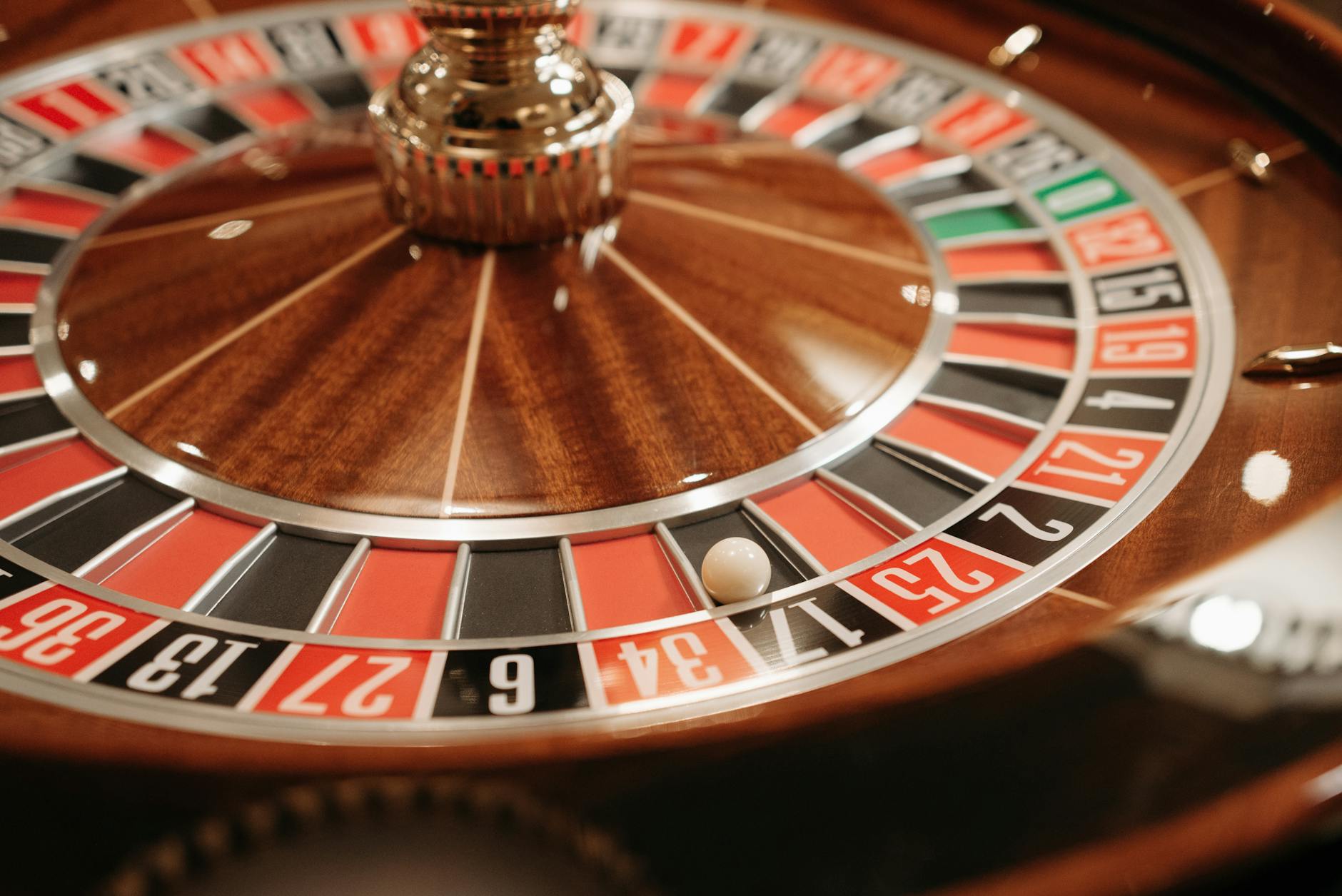
Photo by Pavel Danilyuk on Pexels
FAQ
Does the dealer's shift length affect my odds?
No. Odds are fixed per bet type — Banker at roughly 45.86% win rate, Player at 44.62%, Tie at under 10%. The dealer's shift length affects pace, not math. Slower pace means fewer hands per hour, which means your bankroll moves more slowly, but it doesn't change the expected value of any bet.
Should I always play during peak hours?
Peak hours give you more table choices and faster pace, but the math on your bets doesn't change. If your bankroll and schedule work better off-peak, playing 3 to 4 live tables off-peak is still better than not playing at all.
What is Pragmatic Play's live dealer reputation?
Pragmatic Play holds licenses from the Malta Gaming Authority and the UK Gambling Commission. MBA66's integration with Pragmatic Play's live studio is part of its broader live dealer offering alongside Evolution. Both studios meet international standards for RNG certification and fair game play.
How do I track my live dealer sessions on MBA66?
The platform records all bet history in your account. For external tracking, a simple spreadsheet noting date, start time, table name, number of hands, and net result per session is sufficient for the drill protocol outlined above.
The drill that actually earns isn't complicated. It's just disciplined — the same bet, the same table, the same shift window, session after session, until your data tells you something real. That's how the table hour here stops being a number and starts being an edge.
Report complete.
MBA66 · Analytical Archive